


High winds, not just those associated with major storms, can pose a significant threat to your roof's integrity. Wind damage is one of the most prevalent roofing issues we encounter, and it can often coincide with tree branch damage or water infiltration to create a compounding effect.
Unfortunately, wind damage can be subtle in its presentation. Homeowners may not be aware of a problem until more serious consequences arise. At Douglas Construction, our team of experienced roofing professionals recommends a thorough inspection following periods of high winds to ensure your roof remains in optimal condition.
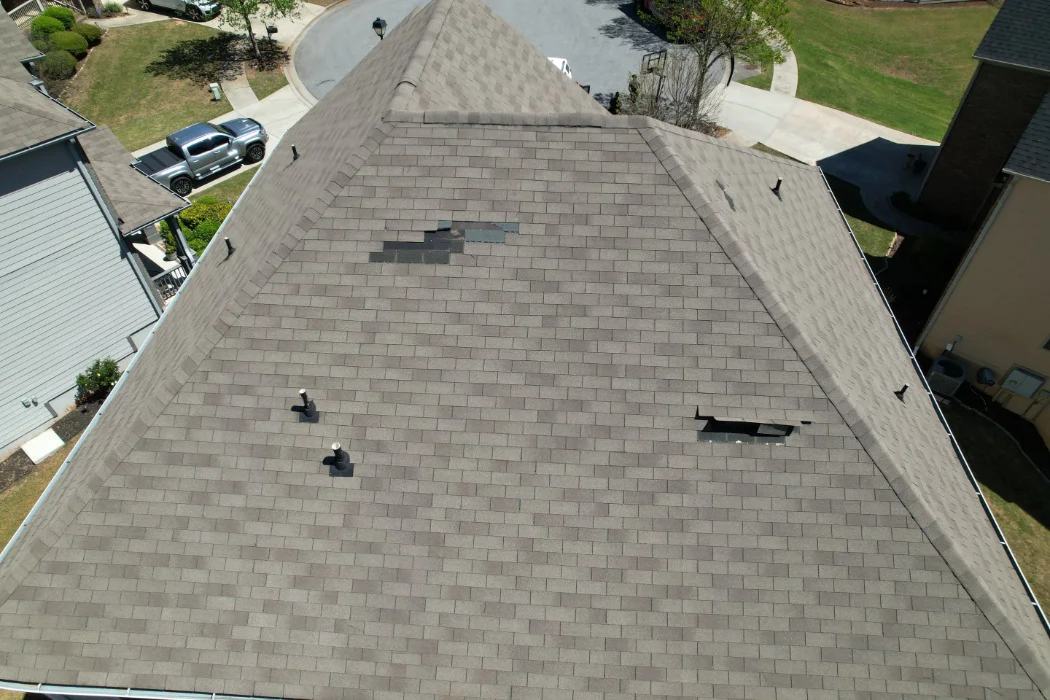
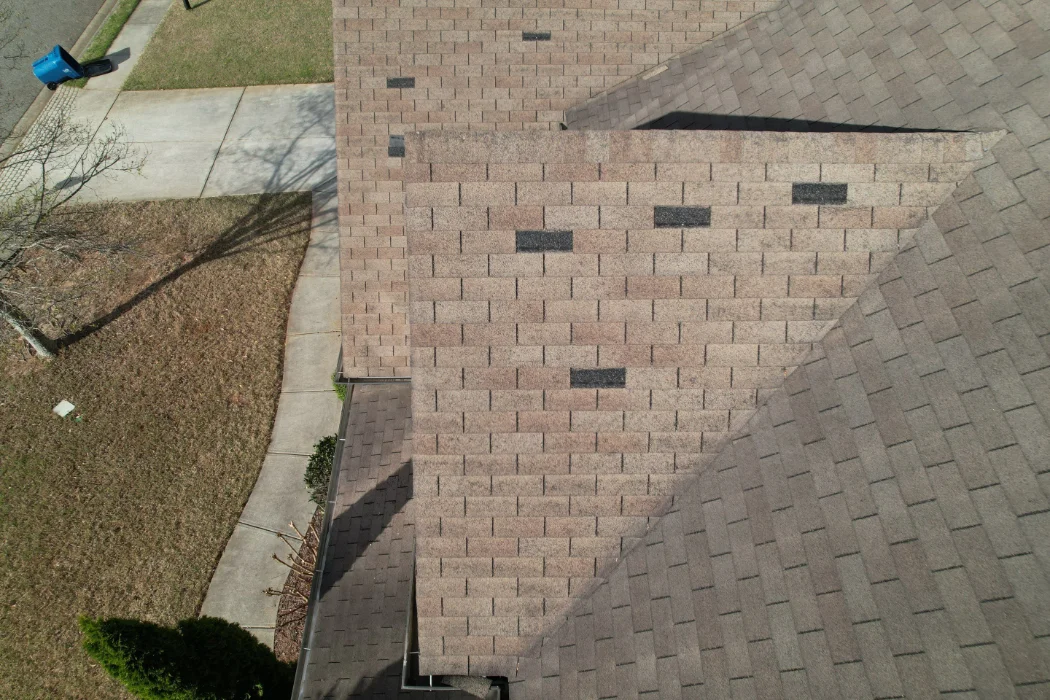
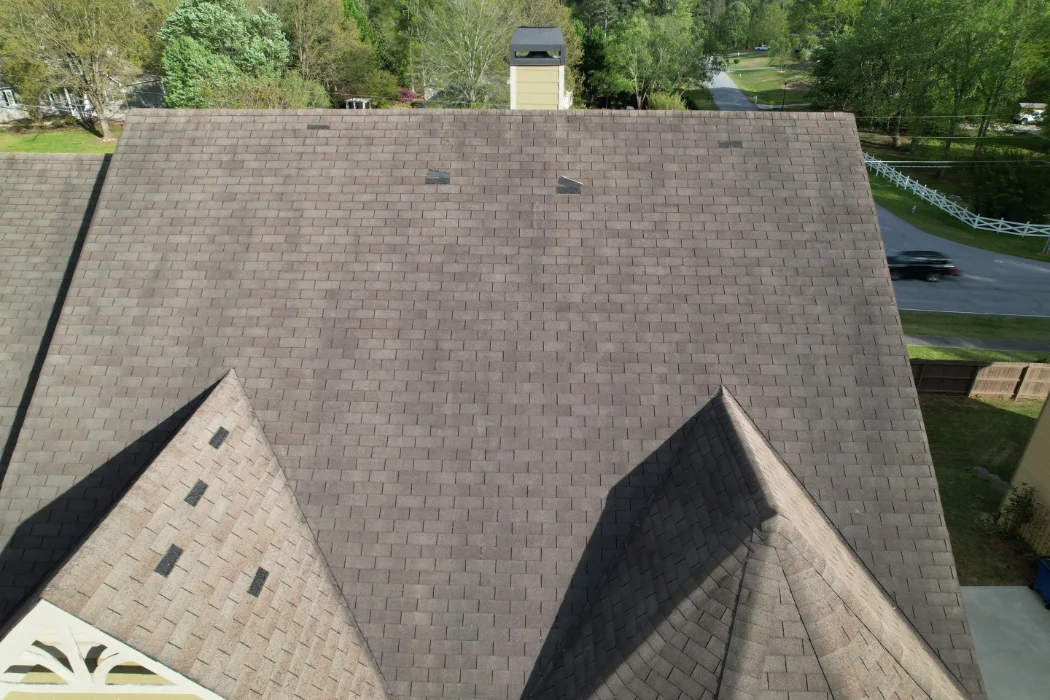
Doing a self-inspection from the ground after heavy winds can help you identify potential roof issues. Clear signs of roof damage include:
Some forms of wind damage may be difficult to detect and should be assessed by a qualified roofing professional. Our team are trained to find hard to detect wind damage such as:
What does wind damage look like on a roof?

Wind damage often shows up as lifted or curled shingle edges, shingles that are creased or cracked from flexing in the wind, exposed nail heads, or shingles missing entirely. Damage tends to be most visible along roof edges, ridges, and corners, where wind uplift is strongest. On metal roofing, high winds can loosen panels or seams. In severe cases, you may even see exposed roof decking where shingles have been torn away completely.
How much wind can a roof withstand before it's damaged?
Standard asphalt shingles are typically rated to withstand winds of 60 to 70 mph, while architectural and high-wind-rated shingles can hold up to 110 to 130 mph when properly installed. Georgia regularly sees severe thunderstorm winds and, occasionally, the remnants of tropical systems that can exceed these thresholds. Even a well-installed roof can sustain damage in a strong enough storm, and an aging roof or one with improper installation is at even greater risk.
Can high winds damage a roof without lifting or removing shingles?
Yes. High winds can weaken or break a shingle's adhesive seal, or crease it, without fully lifting or blowing it off the roof. This kind of damage isn't visible from the ground and can create a hidden vulnerability that leads to a leak during the next heavy rain, even though the roof may look intact from the driveway. This is one of the main reasons a professional inspection after a windstorm is worth scheduling, even if nothing looks obviously wrong.
What should I do immediately after a windstorm damages my roof?
Start by staying safe. Don't climb onto the roof yourself to inspect it. If it's safe to do so, take photos of any visible damage from the ground for your records. From there, contact a licensed roofing contractor for a professional inspection and reach out to your insurance company to begin the claims process. Douglas Construction offers free storm damage inspections and can provide a detailed report to support your insurance claim.
How do I file a roof claim with my insurance company?
Filing a roof claim with your insurance company involves several key steps. Here’s a general process to follow:
By having a professional roofing company document the damage, you ensure a more accurate and comprehensive assessment, which can lead to a smoother claims process. We’re here to help you every step of the way, from the initial inspection to handling your insurance claim.
Does Homeowner's Insurance cover roof damage?
In many cases, homeowner’s insurance can cover roof damage, but it depends on the cause of the damage and the specifics of your policy. Typically, damage caused by sudden, unexpected events like storms, wind, or hail is covered. Here are some common scenarios:
Important Considerations:
If you're unsure about your coverage, it's a good idea to contact your insurance provider to clarify what's included in your policy. If you've experienced storm, wind, or hail damage, a professional roofing contractor can help assess the extent of the damage and work with your insurance company to ensure you get the necessary repairs.
Homeowners can safeguard their largest investment with our advantageous financing options on roof replacements and roof repairs. Enjoy the peace of mind of a secure roof with 0% down and 0% interest! Schedule a complimentary consultation with one of our roofing professionals to discuss your specific needs and explore the best solutions for your home.