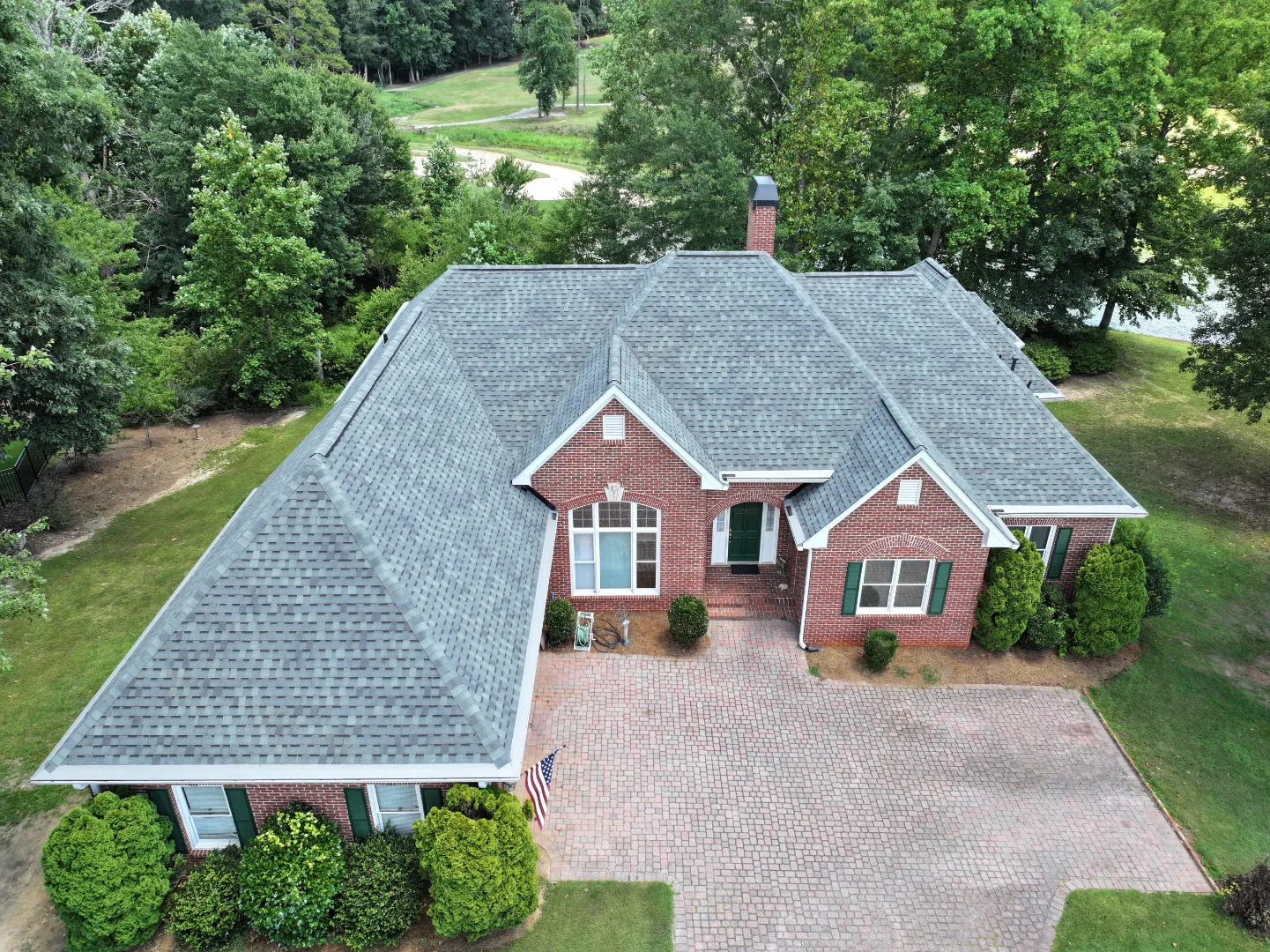



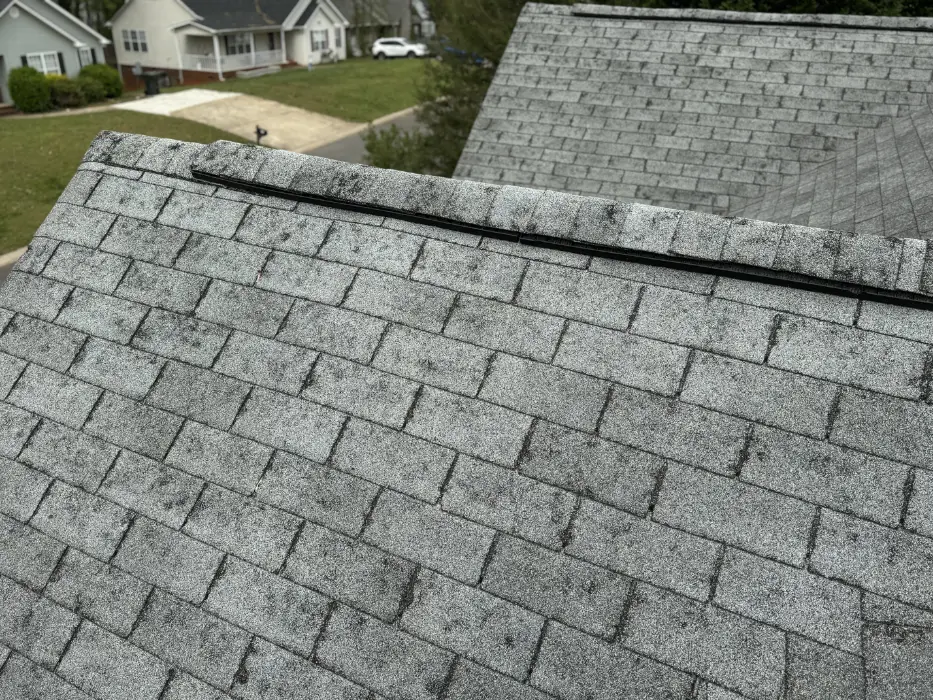
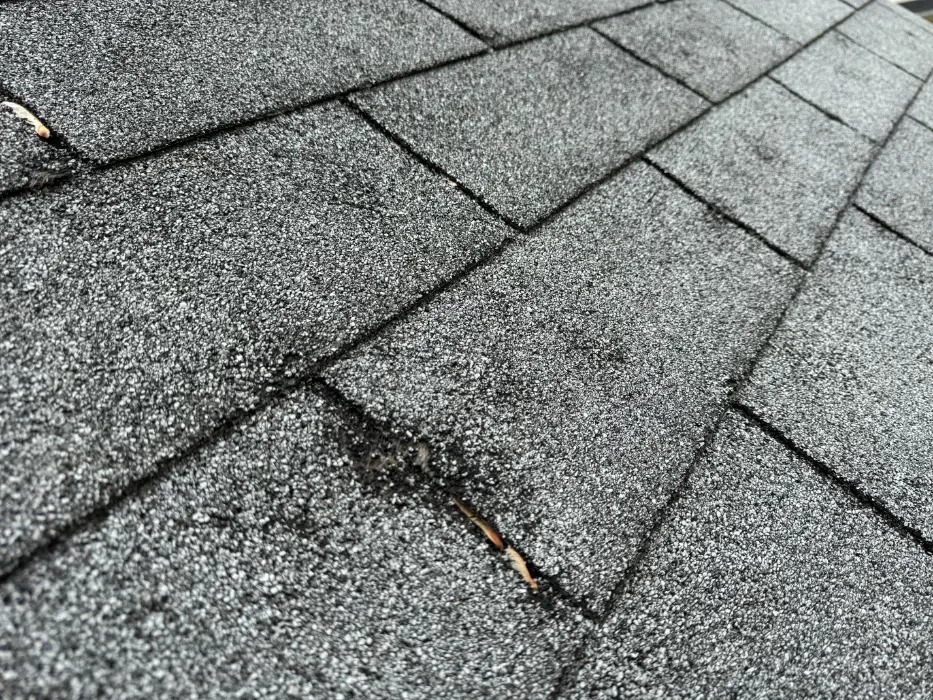
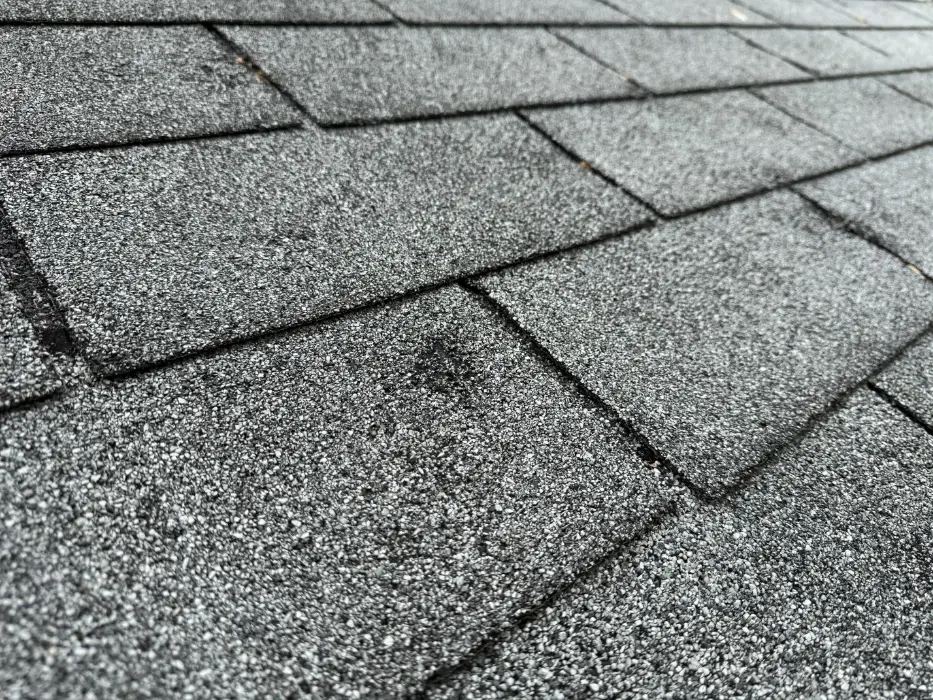
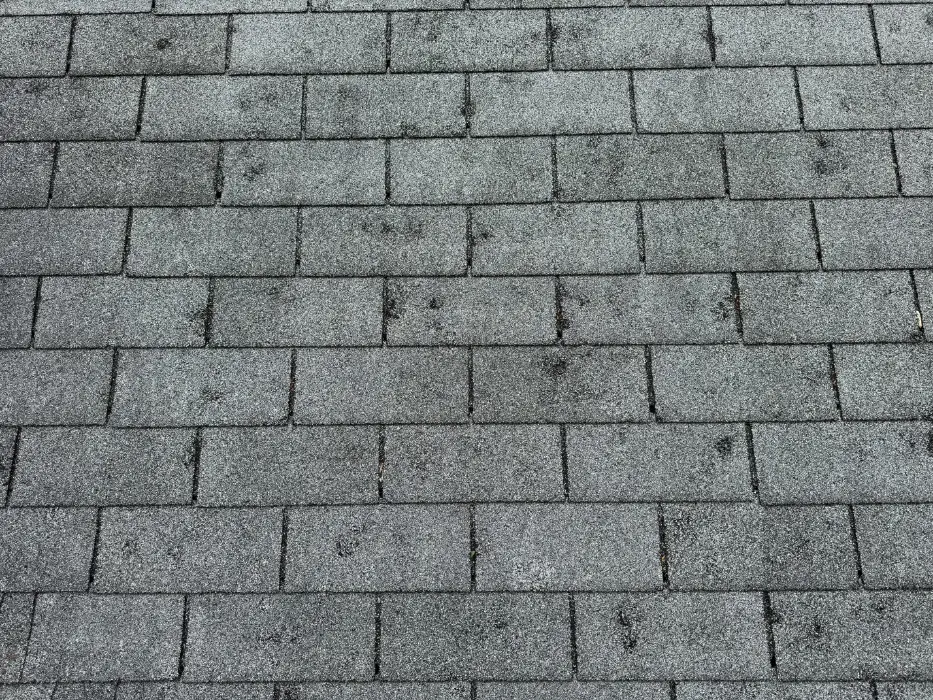
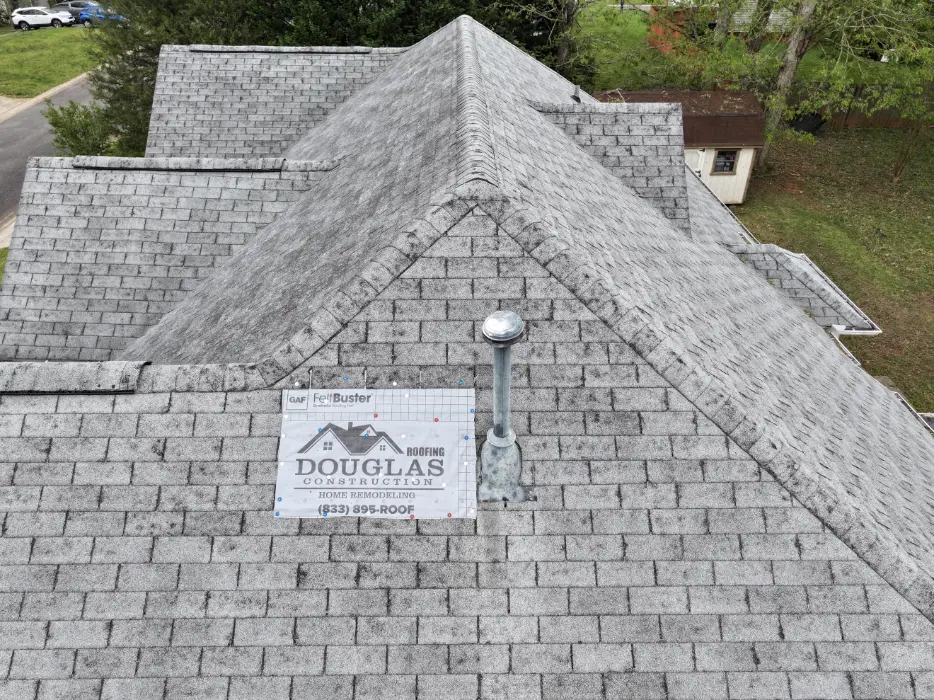
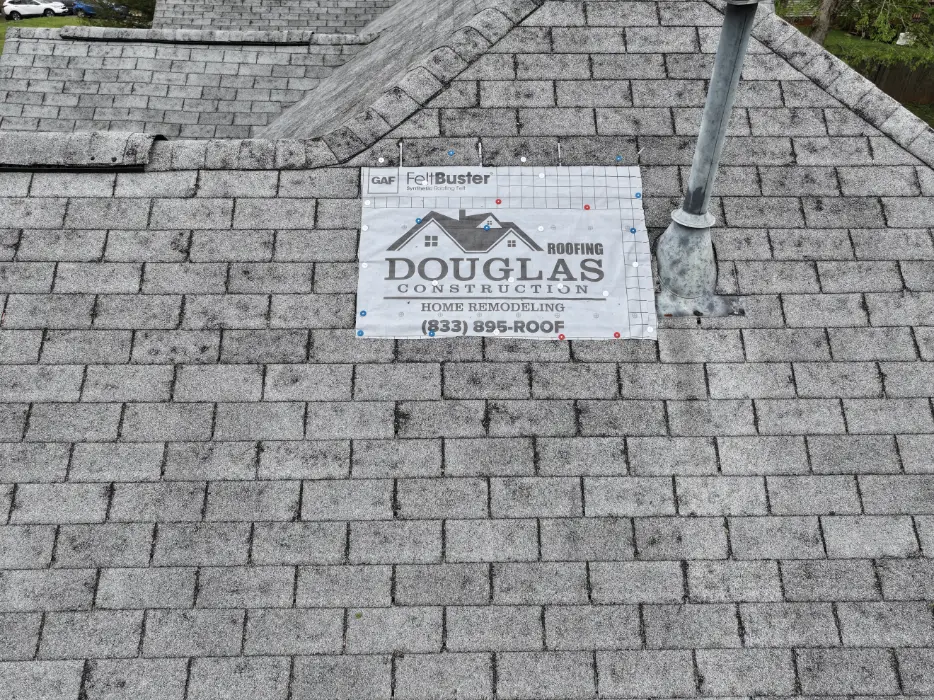
Hail Damage poses a considerable risk to the structural integrity of your roof. The impact can damage shingles, compromising their waterproofing capabilities and potentially leading to leaks. Hail can damage shingles, potentially causing leaks. The severity can vary all across your roof. A thorough inspection is crucial to assess the full extent of any potential damage to your home.
Our team of Atlas Certified Elite roofers are experts in handling storm and hail damage. We offer prompt roof inspections within 24 hours, giving you peace of mind after a hailstorm.
Heavy rain, wind, and hail can wreak havoc on your gutters, leaving them clogged, dented, or even ripped from your home. These compromised gutters can quickly turn into a major headache, allowing rainwater to pool around your foundation and potentially seep into your roof.
At Douglas Construction, we understand the importance of a properly functioning gutter system. After a storm, our team of experts can swiftly assess the damage to your gutters and provide a comprehensive plan for repair or replacement.
Rather than trying to discover the extent of hail damage yourself, it’s highly recommended to call in the professionals.
A certified and licensed professional will have the expertise to detect signs of hail damage on your roof, including:
Do you have hail damage? Your homeowner's insurance likely covers it! We help you get the most out of your claim with:
What does hail damage look like on a roof?

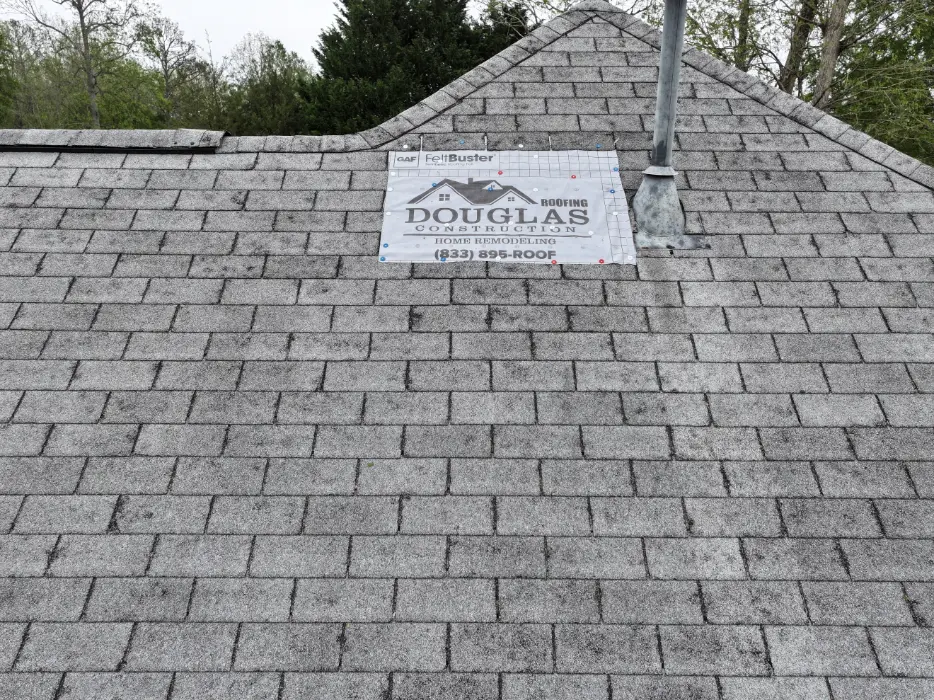
Hail damage isn't always obvious from the ground. On asphalt shingles, look for small dents or bruises, cracked or split shingles, and bald spots where the protective granules have been knocked loose, exposing the asphalt mat underneath. On metal roofing, hail typically leaves round dents or dings, especially on ridges and edges. Damaged flashing, dented gutters, vents, and roof-mounted equipment are also telltale signs a storm has hit your roof, even if the shingles themselves look fine at a glance.
How soon after a hailstorm should I have my roof inspected?
We recommend scheduling a roof inspection within a few days of any significant hailstorm, even if you don't see obvious damage from the ground. Many insurance policies also have a limited window for filing storm damage claims, so an early inspection helps protect your ability to file if damage is found. Douglas Construction offers free storm damage inspections and can document any hail impact with a detailed report you can use for an insurance claim if needed.
Can hail damage go unnoticed until it eventually causes a leak?
Yes, and this is one of the most common ways hail damage catches Georgia homeowners off guard. Granule loss and hairline cracks aren't always visible from the ground, but once the protective granule layer is gone, the exposed asphalt breaks down faster under the sun and heat. What starts as minor, cosmetic-looking damage can develop into a leak months later. That's why we recommend a professional inspection after any significant hailstorm, even if your roof looks fine from the driveway.
Does hail damage typically require a full roof replacement, or can it be repaired?
It depends on how severe and widespread the damage is. Scattered, minor dents affecting a small area can sometimes be repaired. However, widespread granule loss or cracking across the roof often leads insurance adjusters to approve a full replacement, since damaged shingles can compromise the roof's ability to shed water and may no longer be covered under the manufacturer's warranty. During your free inspection, Douglas Construction will document the extent of the damage and give you an honest recommendation, whether that's a targeted repair or a full replacement.
How do I file a roof claim with my insurance company?
Filing a roof claim with your insurance company involves several key steps. Here’s a general process to follow:
By having a professional roofing company document the damage, you ensure a more accurate and comprehensive assessment, which can lead to a smoother claims process. We’re here to help you every step of the way, from the initial inspection to handling your insurance claim.
Does Homeowner's Insurance cover roof damage?
In many cases, homeowner’s insurance can cover roof damage, but it depends on the cause of the damage and the specifics of your policy. Typically, damage caused by sudden, unexpected events like storms, wind, or hail is covered. Here are some common scenarios:
Important Considerations:
If you're unsure about your coverage, it's a good idea to contact your insurance provider to clarify what's included in your policy. If you've experienced storm, wind, or hail damage, a professional roofing contractor can help assess the extent of the damage and work with your insurance company to ensure you get the necessary repairs.
Homeowners can safeguard their largest investment with our advantageous financing options on roof replacements and roof repairs. Enjoy the peace of mind of a secure roof with 0% down and 0% interest! Schedule a complimentary consultation with one of our roofing professionals to discuss your specific needs and explore the best solutions for your home.